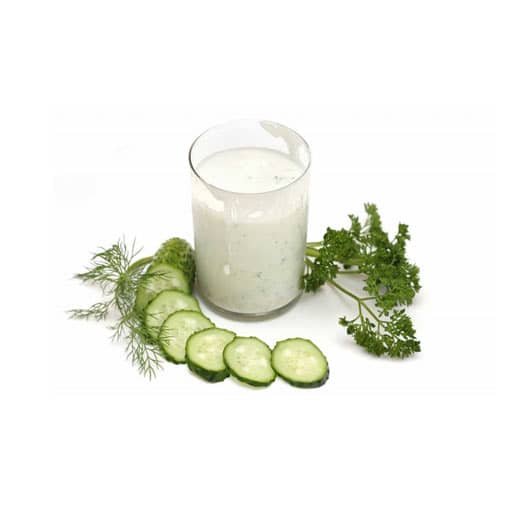
Production of Doogh in the Food Industry:
What is Doogh?
Doogh is a popular drink among Iranians. It is a dairy-based beverage made by combining water and yogurt. In the past, doogh was considered a by-product of butter. To make it, they would dilute thick yogurt with water, then separate its fat using a churn, and the remaining liquid was consumed as doogh.
History of Doogh in Iran
Traditional Iranian doogh is actually classified as a dairy drink. Initially, doogh in Iran was a by-product of butter, where thick yogurt was diluted with water and then the fat was separated using a churn. Today, with changes in butter production technology, the process of making doogh has also changed to become a fermented dairy beverage.
The industrial production of both carbonated and non-carbonated doogh in Iran has a history of about half a century.
Characteristics of Doogh
According to standard number 2453, which specifies the characteristics of doogh, it is a product made by diluting yogurt with drinking or mineral water or fermented whey. Its color should be white to milky white, with a pleasant and distinct taste, free from any foreign tastes or odors.
Doogh provides a quarter of the body’s daily calcium needs and contains vitamins B2, B6, and B12, thus strengthening bones.
The presence of beneficial bacteria like Streptococcus, Thermophilus, and Lactobacillus Bulgaricus in doogh has very beneficial effects on digestive health and prevents the growth of harmful organisms.
Use of Natamycin for Mold and Yeast Control in Doogh:
Molds and yeasts are significant challenges for food producers. Natamycin is a strong anti-fungal and anti-yeast agent that is a suitable solution to this challenge and helps increase the shelf life of the product. It is important to note that this product is completely natural, environmentally friendly, and cost-effective. Natamycin prevents unwanted taste changes in doogh and is a suitable anti-fungal agent.Nisin (Nayzin) is the best material for preventing the growth of plant-derived, Gram-positive bacteria.
For more details on Nisin, Nayzin from Dayan Arman Pouya, click here.
For more details on Natamycin from Dayan Arman Pouya click here.
Types of Doogh
According to the standard, doogh can be categorized into 4 types:
1. Carbonated doogh
2. Non-fat carbonated doogh
3. Non-carbonated doogh
4. Non-fat and non-carbonated doogh
Doogh Production Process
First, the raw milk enters the factory laboratory, where the necessary tests are conducted. After quality control approval, it is directed to raw milk storage tanks. The doogh production process occurs in two methods:
1 – Dilution of the primary milk
2- Yogurt production and then preparation of doogh
In the first case: The milk is mixed with water according to the appropriate ratio and the factory formulation, then after standardizing the fat and dry matter, it enters the pasteurization system. If the continuous method is used, the pasteurizer has a 5-minute holding time at 95°C, then it is cooled to 45°C and processed into processing tanks. Afterward, yogurt starter is added, and it remains in the tank until the pH reaches 3.8. Then it is cooled and directed to the filling machine (three-block) for packaging and storage in the cold room until the quarantine period is complete.
In the second case: The milk is directed to the production line and pasteurization system. In some formulations, the fat is separated from the milk first, but it is better to use whole milk to get better taste in doogh. The final milk enters processing tanks, where it is heated to 95°C for 15 minutes, then cooled to 45°C. Starter yogurt is added, and it stays for about 12 hours until its pH reaches 3.8. Then, it is mixed with water in a 40:60 ratio, salt is added, and it is returned to the pasteurization system, heated to 85°C for 20 seconds, then cooled to 10°C and directed to the filling system. Finally, it is transferred to the cold room and maintained at 2+°C. After quality control, the product is sent to the market.
Carbonated Doogh
This is a product to which CO2 gas is injected after processing by the above method.
To produce carbonated doogh, yogurt with an acidity of at least 4.1% is prepared, then carbonate water is added up to 50% along with salt. This doogh is flavored with vegetable essences, and sometimes it is sold without any essence.
Heated Carbonated Doogh
This is a product that is fermented naturally with thermophilic bacteria used in yogurt production to create gas.
At least 1% yogurt starter is added to this doogh. After production and packaging, the doogh is left at room temperature (above 20°C) for at least 24 hours so that the acidity and natural gas develop to the desired level.
Doogh Packaging
Doogh can be packaged in containers made of glass, PET, or any other approved containers for dairy products. These materials should be resistant to acids and impermeable to external factors and microorganisms.