What is Transglutaminase TG Enzyme?
The transglutaminase enzyme, which we abbreviate as TG enzyme (tg), is one of the most commonly used and effective enzymes in the food industry. It has been synthesized and introduced to the market in the last two decades by species of Bacillus and Streptococcus verticillium bacteria.
Is Transglutaminase Enzyme a Microbial Stabilizer?
TG enzyme is not a stabilizer or thickener. TG enzyme (tg) does not have the undesirable effects of stabilizers, such as changes in taste, flavor, or texture degradation during product storage over time.
At What Temperature Does Transglutaminase (TG) Enzyme Perform Best?
TG enzyme generally remains stable between 37 and 50°C. However, at temperatures above 75°C, it loses its activity within a few minutes at standard doses.
For details on Transglutaminase TG from Dayan Arman PouyaClick here
At What pH Does Transglutaminase (TG) Perform Best?
TG enzyme microbially has a lower molecular weight compared to TG enzyme extracted from animal tissue. Generally, biosynthesized enzymes by bacteria remain stable across a wide range of pH values. Amino acids play an important role in microbial transglutaminase synthesis. TG enzyme is a transfrase enzyme that can form bonds between glutamine amino acid and lysine residues in proteins.
What are the Effects of Transglutaminase (TG) on Yogurt and Cheese??
The use of TG enzyme in yogurt and cheese technology to improve their physical, chemical, and sensory quality is highly desirable and widely used.
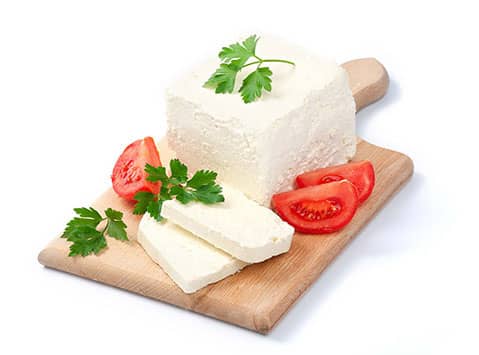
How to Use Transglutaminase (TG) in Cheese??
Three models have been considered for using TG enzyme in cheese production, and the final quality of the cheese obtained has been evaluated: 1) Adding TG enzyme to milk, pasteurizing the milk, and then adding rennet enzyme as a cheese starter. 2) Adding rennet to milk and then adding TG enzyme. 3) Adding TG enzyme to milk simultaneously with adding rennet. Research on the properties of cheese produced in the first case shows that TG enzyme prevents milk coagulation. However, in the third case, it significantly reduces the hardness of the cheese, decreases the amount of protein and fat in the whey, and makes the cheese texture softer. TG enzyme forms a more stable bond with water molecules in the whey, and the whey and protein in it remain in the curds and cheese produced from it.
In each of the above three cases, adding TG enzyme and rennet to milk for cheese production results in higher moisture content in the final cheese, better cheese production efficiency, and an increase in protein content in the cheese.
For details on Transglutaminase TG from Dayan Arman PouyaClick here
Does Transglutaminase TG Improve the Flavor of Cheese?
Even the separate use of TG enzyme alone resulted in increased protein recovery in the resulting cheeses and also positively affected the sensory properties, taste, and flavor of the cheese. Sensory evaluations of samples that had TG enzyme added to them, compared to samples produced without TG enzyme, showed significant differences in transparency, brightness, taste, flavor, and better texture in the samples produced with TG enzyme. Generally, these types of cheeses have higher quality ratings compared to other cheeses.
For details on Transglutaminase TG from Dayan Arman PouyaClick here