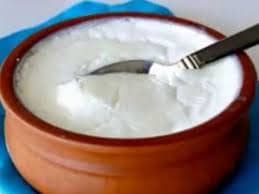
Why Does Buttermilk Separate?
It has happened to most of us that after a successful production, the next day we notice excessive whey separation in the buttermilk stored in the fridge and were looking for the cause.
There are various reasons for buttermilk separation, which we will briefly explain here:
1- The use of milk with weak protein, which leads to weak texture in the final buttermilk. The smallest mechanical impact or transportation can break the casein network, and the whey separates.
2- High temperature in the incubator; it is recommended that the best temperature for incubation in summer is between 42-44°C and in winter between 44-46°C. If the temperature exceeds this limit, the buttermilk will separate in the incubator. In this case, rapidly cooling the buttermilk can help it absorb the water back into itself.
3- Low level of dry matter in the initial milk; this problem can be solved by adding a small amount of dry milk between 1-2%.
4- In the normal case, buttermilk separation happens due to the breaking of the casein network from mechanical impacts, transportation, stirring, etc. To prevent this, it is recommended to use the enzyme Transglutaminase.
The enzyme Transglutaminase significantly reduces whey separation in buttermilk. This is because the Transglutaminase enzyme forms strong and irreversible bonds between casein micelles, so during transport, the casein network does not break, and the buttermilk does not separate.
More importantly, due to uneven heat distribution in the entire incubator, some areas like the bottom of the incubator or the walls may be colder, and this decrease in temperature affects the starter culture activity (yogurt starter). The buttermilk in these areas tends to have a looser texture. Sometimes, we need to delay transferring this buttermilk to the fridge compared to the rest. The Transglutaminase enzyme also solves this problem, as temperature fluctuations do not affect its mechanism, and it still works to firm the texture of the buttermilk.
For more information about the performance of Transglutaminase enzyme, click here.