info@dayanarman.com
021-44130192 ، 021-44130346 ، 021-44362477


Proteus vulgaris, Proteus mirabilis, Staph aureous, Pseudomonas aerogenisa
Proteus rettgeri, Escherichia coli, Shewanella algei, Alcaligenes faeccalis,
Klebsiella oxytoca, Klebsiella pneumonia, Aspergillus niger, Enterobacter aerogenes,
Burkholderia cepacia, Citrobacter koseri, Candida spp, Stenotropomonas maltophilia
Aspergillus Fumigatus, Serratia moncerens, Enterobacter cloacae
Effect of EK 831 on eliminating Escherichia coli (E.coli):
E. coli is a Gram-negative bacterium found in the intestines of warm-blooded animals and helps digest food in the digestive system. It is one of the most dangerous foodborne pathogens and is responsible for 90% of urinary tract infections in women. Gastrointestinal disturbances, vomiting, and diarrhea are symptoms of infection. Undercooked foods, unboiled milk, dairy products, sprouts, and leafy vegetables such as lettuce and spinach are the main sources of E. coli contamination.
Effect of EK 831 on eliminating Salmonella:
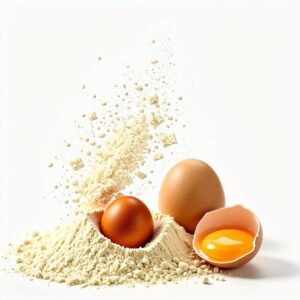
Salmonella is a Gram-negative bacterium known for its high resistance to physical and chemical conditions, making it difficult to destroy. It is one of the most common causes of food poisoning and is found in poultry and eggs. By infecting the ovaries of birds, it penetrates the eggs and contaminates them. Salmonella loses its resistance to heat and is destroyed when exposed to high temperatures, but in foods such as mayonnaise made with raw eggs, it may remain problematic.
Mechanism of EK 831 in microbial destruction:
EK 831 can inhibit the growth of Gram-negative bacteria such as E. coli, Salmonella, Staphylococcus aureus, E. coli strains, and thermophiles that cannot be easily eliminated by other preservatives.
EK 831 enters the cell through pores in the cell membrane. It interacts with the negatively charged microbial cell membrane, destroys its structure, and causes intracellular components to leak out. Overall, it disrupts the structure and function of the cell membrane, interferes with the microorganism’s natural physiological metabolism, blocks the transfer of nutrients and energy, and induces autolysis — ultimately causing bacterial cell death.
All compounds in EK 831 are organic acids used as a natural preservative and acidifying agent in food.
These organic acids have strong antimicrobial potential. By passing through hydrophobic cell membranes, releasing H⁺ ions into the cytoplasm, and damaging proteins and other internal bacterial components, they exert irreversible antibacterial effects on the cytoplasmic membrane, leading to bacterial death.
Therefore, EK 831 is recommended for food protection and microbial control instead of synthetic or chemical preservatives.
EK 831 is a strong antimicrobial that prevents the growth of microorganisms present in foods such as meat and meat products.
For more detailed information about the product click here
This product is manufactured in Turkey and is exclusively distributed in Iran by Dayan Arman Pouya Company.